Hempcrete Hits the Building Code: A Major Win for Sustainable Construction
iHemp Hour Celebrates IRC Approval with Hemp Building Experts
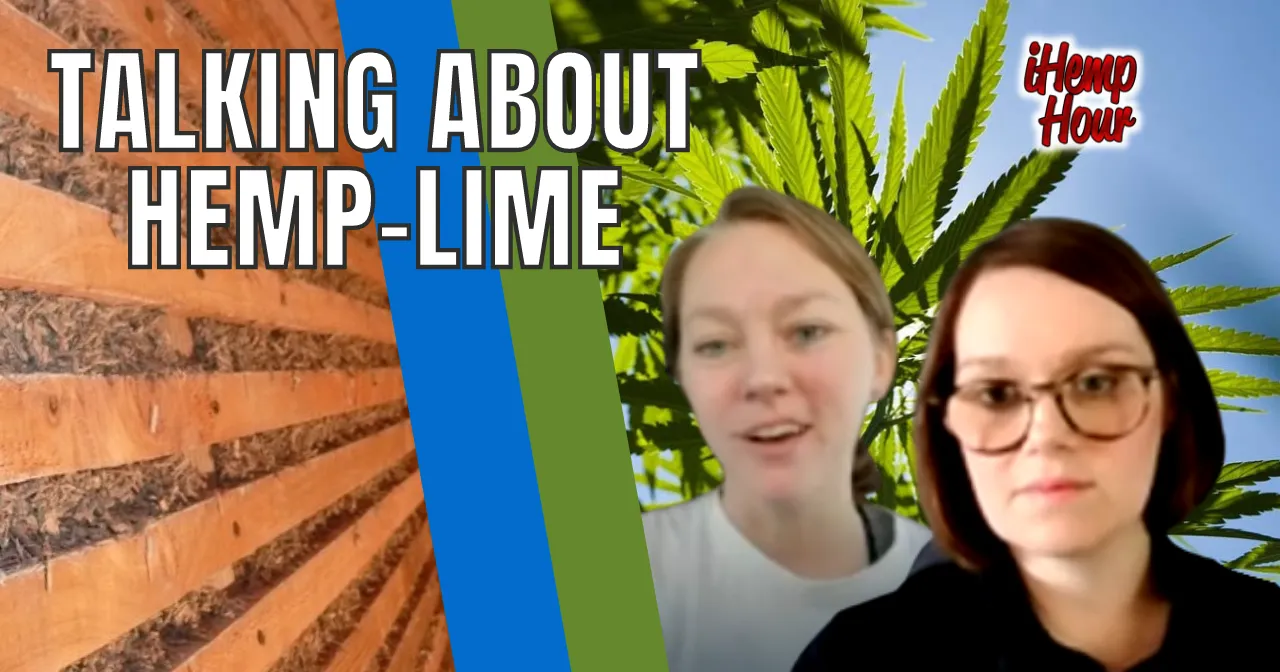
This week on iHemp Hour, we gathered hemp building pioneers to discuss a historic milestone: hempcrete’s approval for inclusion in the International Residential Code. Kim Croes, Jacob Waddell of the US Hemp Building Association, and Rachel Barry of the Illinois Hemp Growers Association joined us to break down what this means for the future of sustainable construction.
The Big News: Hempcrete Approved for IRC
Jacob Waddell delivered the news everyone in the hemp building community has been waiting for:
“A couple weeks ago we were up in Rochester, New York. There was an ICC committee hearing to review the submissions and changes for the IRC. We had our appendix reviewed and it was recommended for approval 7-2. This is a giant step.”
The International Code Council (ICC) committee’s recommendation means hempcrete will be included as Appendix BA in the International Residential Code—the building code foundation used by most U.S. states. Official approval is expected in October, but clearing this hurdle essentially confirms inclusion.
“Getting through this approval pretty much means we’re in. Something really strange has to happen in the next couple months.”
What Comes Next
While this victory is significant, Jacob outlined the work ahead:
State Adoption
Even with IRC approval, individual states must adopt the appendix:
“Even when this is approved, it’s only adopted when states adopt the appendix. We need to start looking at different states and figuring out who the players are to bring on building codes and how we can have conversations with them.”
How you can help: Build relationships with your state’s building code officials. Anyone can do this, especially if you’re considering a project.
Testing Data Gaps
Certain specifications couldn’t be included due to lack of testing data:
- Fire rating: No E119 tests available for hempcrete
- Stud spacing: Couldn’t expand from 16″ to 24″ centers without backing data
“Both of these things are kind of widely accepted and known in our industry, but in order for the conventional building industry to accept it, we need testing data.”
Testing is expensive—E119 fire tests alone cost $20,000-$50,000 depending on the facility.
Commercial Codes
The team is already looking ahead:
“We need to be looking at commercial codes in two years, which means we need to start working on and developing that document now.”
Kim Croes: Michigan’s First Permitted Hempcrete Home
Kim Croes of Fiberfork shared exciting news about her company’s progress. She recently returned from Pennsylvania where she became one of only 14 people in the U.S. officially trained in hempcrete spray application using the E-Reezy machine.
“I bought a machine, so we’ll be spraying at our first hempcrete house in July—in Chelsea, Michigan.”
Why Spray Application Matters
The spray system offers dramatic efficiency improvements over traditional cast-in-place methods:
“You’re looking at 60 percent less time invested on the job site—or more. I’d say 60 to 75 percent shorter time span versus hand-tamping.”
Faster Cure Times
Beyond application speed, the spray binder also reduces drying time:
“With hempcrete you do have a drying phase before you can put any kind of plaster. You’re looking at about eight to twelve weeks for cast in place. The lighter mix that you use for spray application does cut down on that cure time.”
Equipment Investment
For those considering entering the hempcrete construction business, Kim shared realistic costs:
- Spray machine: Just over $10,000 (compared to $100,000+ for other systems)
- Mud Hog mixer: Around $16,000 (Kim is renting initially)
“When you’re a new company you have to kind of pick and choose what you’re investing into.”
The Hurd Quality Question
One of the most important discussions centered on hemp hurd quality—the woody inner core of the hemp stalk that forms hempcrete’s aggregate.
What Makes Quality Hurd?
Kim explained the key specifications:
“You want to make sure there’s a good equal balance of your binder and your hemp hurd. Those fibers can kind of get in the way of that and also stick out of the wall, so you’re not getting a good clean surface.”
The consensus: minimal dust, minimal long bast fiber (5-10% maximum), and no fiber clumps.
Current Sourcing Challenges
Michigan doesn’t yet have local hemp hurd processing, so builders must source from elsewhere:
Kim’s approach:
- First permitted project: Using Cannabat (French-sourced, already building-code certified)
- Future projects: South Bend Hemp in Kansas
“We definitely want to use Cannabat for that project because it is the first permitted house in Michigan to be built with hempcrete. We want to make sure those specs are building code already stamped and sealed.”
Developing U.S. Standards
Jacob explained how the US Hemp Building Association is working to solve the supply chain puzzle:
“Ryan Doherty, our director of supply chain, is developing a guide based on ASTM standards we developed last year. These are the tests to run to get a sheet of parameters to evaluate the material.”
This will enable true apples-to-apples comparisons:
“Once we get that, we can really start doing testing on different parameters. We can say this comes from this cultivar, this comes from CBD, this comes from fiber—then we can run those tests and really get a good answer.”
The CBD Stalk Question
Can hemp stalks from CBD cultivation be used for hempcrete? It’s complicated.
“We know the fiber stuff works. What Europe has been using has been primarily the fiber stuff. There are going to be physiological differences between the CBD plant and the fiber plant.”
Variables include:
- When the plant is harvested
- Stock size
- Plant spacing during cultivation
Jacob’s approach: Focus on post-processor standards first, then work backward to determine how different inputs affect outcomes.
Getting Hempcrete Permitted
Kim shared her experience navigating the permitting process:
“I think the biggest thing to discuss when trying to get approval for permitting is making sure you’re discussing the fact that it’s an insulation—it’s not a structural component of the building itself—and showing them the specs that we do have.”
Her personal project was approved “with no issues whatsoever.”
Upcoming Events
Hands-On Hempcrete Workshop
April 30th | 11 AM – 4 PM Grow Green MI, Whitmore Lake, Michigan
Free, family-friendly event where participants will help build a hempcrete dog house (to be auctioned at the event’s conclusion).
Chelsea Hemp Home Workshop
Saturday, July 9th | 10 AM – 4 PM Chelsea, Michigan | $125
“People actually get to help build the house. We’ll be doing some cast in place, people can see the whole process, we’ll have our sprayer there—the whole setup.”
This will be Michigan’s first permitted hempcrete home.
Illinois Hemp Growers Association Event
Saturday, April 23rd | 4 PM – 9 PM Tinley Park, Illinois (about 30 minutes west of Chicago)
Membership appreciation night with education, networking, hemp food, hemp samples, and representatives from the US Hemp Building Association and Midwest Hemp Council.
2022 Midwest iHemp Expo
May 19-21 | Lansing Center
Kim Croes and other hemp building experts will be speaking. Thursday, May 19th features audit-readiness training ($200 members / $300 non-members).
How to Get Involved
US Hemp Building Association
- Membership: ushba.org/members (individual and corporate options)
- Donations: ushbf.org (supports testing, standards development, and advocacy)
- Hemp Build 2022: Major fundraising event coming in early July
Connect with Kim Croes
- Company: Fiberfork
- Website: fiberfork.com
- Instagram: @ecofiberfork
Support the Movement
The USHBA needs:
- Donations for expensive testing ($20,000-$50,000 per fire test)
- People to build relationships with state building code officials
- Industry participation in developing standards
The Path Forward
With IRC approval on the horizon, hempcrete is poised for significant growth. But as Jacob noted, success requires continued investment in:
- Testing data to expand code allowances
- State adoption campaigns
- Supply chain development for domestic hemp hurd
- Workforce training for builders and applicators
“This is how we’ll get to where we need to get—working with the farmers, working with the builders, working with the science. We need more data.”
The hempcrete revolution is building momentum. Michigan’s first permitted hempcrete home breaks ground this summer, and trained applicators like Kim Croes are ready to scale the industry.