YHow Hemp “Grows Up” — Sheril Murray Powell, Esq. on People, Policies, Purity, and Profits
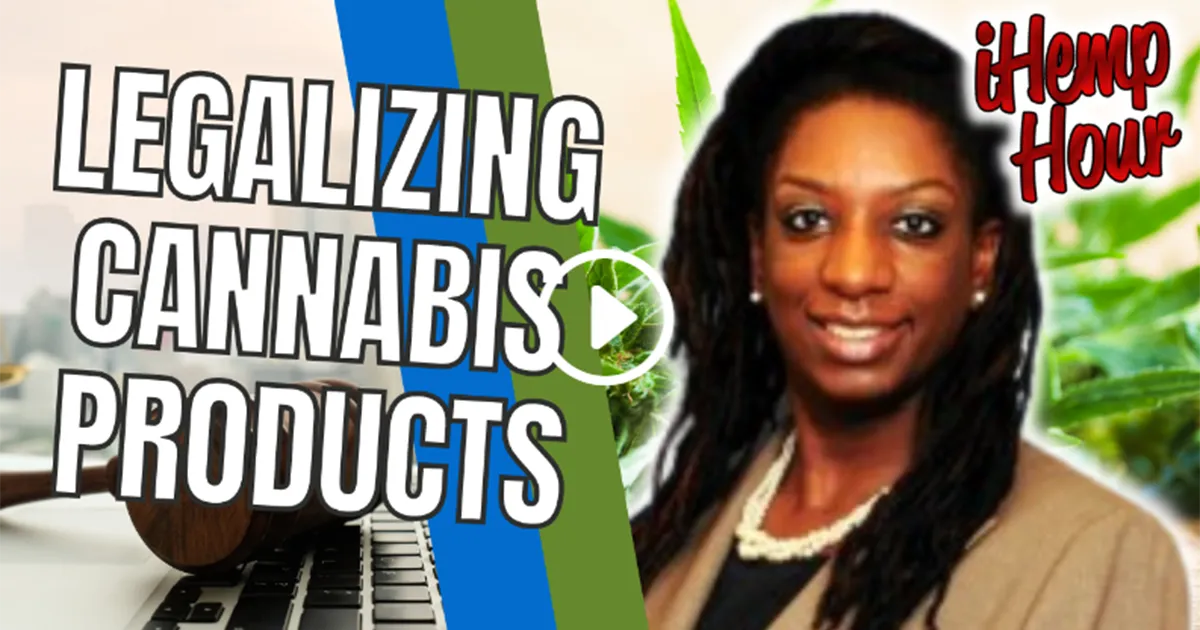
The hemp industry is no longer a scrappy experiment. It’s an emerging, regulated marketplace sitting at the crossroads of agriculture, consumer goods, and global trade. On this iHemp Hour, attorney and business development leader Sheril Murray Powell, Esq. laid out—in practical, plain English—what “growing up” looks like for hemp companies that want to last.
“More legal, more problems,” she said with a wry smile. Her point wasn’t cynicism; it was a wake‑up call. The rules are arriving. Big brands are circling. Winners will be the operators who harmonize with established industries, document what they do, and build trustworthy teams.
The Era of Harmonization
Powell’s core message: hemp must harmonize with the standards and systems that already govern food, supplements, building materials, and HR. That shift doesn’t erase hemp’s identity; it secures its future.
- In consumables, that means FDA food facility registration when you manufacture or store food, Good Manufacturing Practices that mirror mainstream dietary supplement producers, and a label that matches what’s in every bottle—batch after batch.
- In building materials, it means moving beyond “hero demos” toward documented binders, region‑appropriate formulations, and performance data that building officials and risk managers accept.
- In hiring and partnerships, it means adopting the same background screening, HR discipline, and due diligence that Fortune‑level companies consider basic.
“We’ve asked for legitimacy,” Powell said. “Legitimacy comes with responsibilities.”
The Four Ps: A Simple Operating Lens
Powell organizes her counsel around four Ps—people, policies, purity, and profits. It’s not a slogan; it’s a checklist.
- People: Who you let in the door matters. Screen for roles with meaningful access to inventory, IP, cash flow, or your brand reputation. Verify education for chemists and medical directors. Document every step to comply with the Fair Credit Reporting Act and state rules such as “ban‑the‑box” and fair‑chance laws. If you need drug‑free workplace compliance for grants or government bids, tailor your testing policy (many firms exclude THC assays or accept medical cards) and write it down.
- Policies: Put your procedures on paper. Standard operating procedures are how “bottle one” matches “bottle one million.” If you co‑pack, confirm the facility’s FDA registration and quality systems. Decide now whether HR is in‑house or outsourced—just don’t leave it to a cousin with a spreadsheet.
- Purity: Full‑panel testing and consistent formulas aren’t “nice to have” when majors enter the category; they’re the price of admission. If you’re in hempcrete and materials, your “purity” is clean fiber, clean hurd, and traceable inputs that produce predictable performance.
- Profits: Protect them. That starts with better contracts and partner due diligence so you’re not harvesting heartbreak. It extends to aligning with certifications buyers already understand and value.
Big Companies Aren’t Waiting—They’re Lobbying
While some household names bide their time for federal clarity, Powell reminded us they are not idle. “As they’re waiting, they’re not just sitting there,” she said. “They are involved in large trade and lobbying organizations with relationships many of us don’t have.”
She flagged a pivotal federal thread: efforts like H.R. 841 to place CBD inside the dietary supplement framework. If—and when—consumable cannabinoids must look like supplements, the companies that already run like supplement companies will keep their shelf space. Those who don’t will be out‑competed or acquired.
Farmers, Don’t Carry the Risk Alone
Powell spoke candidly as a farmer who has grown hemp in four states—about broken promises, early harvests, and deals that evaporated at delivery. “How do you prevent those predatory behaviors?” she asked. With due diligence checks, clearer contracts, and partner screening before you put seed in the ground.
She also underscored the agricultural basics that too many newcomers miss:
- Certify acres with the Farm Service Agency.
- Keep the required records your state asks of growers.
- Know your disposal procedures before you need them. These are not chores; they’re your shield when weather, markets, or enforcement surprise you.
Why This Matters in Michigan
Michigan operators sit near the heart of American manufacturing. That’s an advantage if you speak the language: documented specs, repeatability, and reliable supply. Whether you’re selling hemp hearts, protein, and seed oil—or supplying short bast fiber and powdered hurd for plastics—buyers will pay for consistency and compliance.
And when (not if) national retailers or global ingredient houses step in, your readiness will decide whether you keep your lane or lose it.
What You Can Do This Week
- Audit your hiring process. Are you FCRA‑compliant? Do you have signed authorizations, pre‑adverse notices, and adjudication records? If not, fix it.
- Register appropriately. If you handle food or pet consumables, complete your FDA food facility registration. If you co‑pack, ask your partner for proof.
- Put one core SOP in writing. Pick the process most likely to go wrong without documentation—intake, quarantine, release for sale—and lock it down.
- Run a partner check. Before your next purchase order or grower agreement, do a due diligence screen. It’s cheaper than litigation.
- Join iHemp Michigan. This is where Michigan’s hemp community learns, advocates, and builds buyer connections that turn compliance into revenue.
Powell’s closing felt like both encouragement and challenge: “We worked too hard to open this market to lose it by being unprepared. Harmonize, document, and hire smart. That’s how you keep what you’ve built.”
Want help translating this into action? Become a member at iHempMichigan.com and get plugged into our policy briefings, buyer introductions, and operations guidance built for Michigan’s reality.