Hemp & Cannabis Testing: What Every Grower and Processor Needs to Know
Lab Director Josh Smith Breaks Down Testing Requirements, Costs, and Why It Matters for Your Business
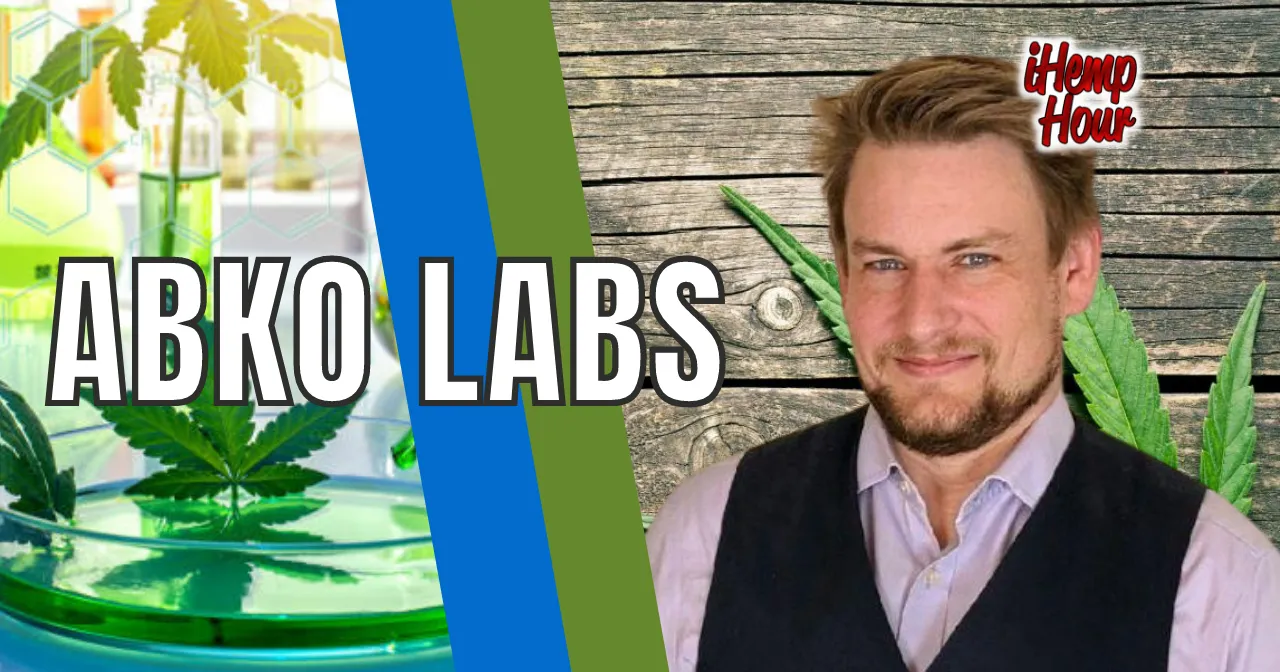
On this episode of iHemp Hour, we sat down with Josh Smith, Lab Director at ABKO Labs, to demystify the world of cannabis and hemp testing. With over 15 years of pharmaceutical R&D experience and committee roles with ASTM and AOAC, Josh brings invaluable expertise to an industry navigating complex regulations.
Understanding Cannabis Testing: It’s All the Same Plant
One of the first things Josh emphasizes might surprise newcomers to the industry:
“I like to say low-THC cannabis or high-THC cannabis just to get people more used to hearing ‘cannabis’ a lot—since it is all the same thing. The tests are the same.”
Whether you’re growing hemp for CBD or cultivating marijuana for dispensaries, the testing protocols are identical. The difference lies in how results are calculated and what regulators require.
The Complete Testing Panel: What Gets Analyzed
ABKO Labs offers comprehensive testing for both hemp and marijuana products. Here’s what a full panel includes:
Standard Testing Categories:
| Test Type | What It Detects | Why It Matters |
| Potency | Cannabinoid levels (THC, CBD, CBG, CBN, etc.) | Compliance, labeling accuracy |
| Pesticides | Chemical residues | Consumer safety |
| Heavy Metals | Lead, mercury, arsenic, nickel | Soil/water contamination |
| Mycotoxins | Mold-produced toxins | Health hazards |
| Microbials | Yeast, mold, coliforms | Contamination indicators |
| Solvents | Residual processing chemicals | Extraction safety |
| Water Activity | Moisture levels | Shelf stability |
| Foreign Matter | Physical contaminants | Quality control |
Hemp vs. Marijuana Testing: Key Differences
Moisture Content Requirements
One critical distinction between hemp and marijuana testing involves dry weight calculations:
Hemp (USDA Requirement):
- Must measure potency on a dry weight basis
- Samples dried completely and moisture content accounted for
- This is the only way to compare “apples to apples”
Marijuana (Michigan MRA):
- Tested “as is” regardless of moisture content
- Shelf-stable cannabis typically falls between 10-15% moisture
Josh has seen hemp samples range dramatically:
“We’ve gotten it fresh from the field at 80 percent plus moisture, and I’ve tested it basically bone dry sitting in a dehydrator for a week and a half. It does drastically change results.”
Cannabinoid Focus
Another key difference is which cannabinoids matter to each sector:
- Hemp/CBD Industry: Interested in the full spectrum—CBD, CBN, CBG, CBGA, and other minor cannabinoids
- Marijuana Industry: THC remains king—”THC reigns supreme and there’s nothing left”
The Hidden Problem: Untested Products on Shelves
Josh raised a critical concern that every consumer should understand:
“The vast majority of CBD product—that CBG product, that Delta-8, that CBN—all of that stuff has only been tested for potency. Not for heavy metals, not for pesticides, no solvents.”
The Delta-8 Warning
Josh delivered a particularly stark assessment of Delta-8 products:
“Most lab directors I know and trust across the country have very rarely, if ever, seen pure actual legal Delta-8 samples. Most of that has about 10% Delta-9 in it. I don’t think it’s stable at room temperature.”
The conversion process for Delta-8 often requires harsh solvents, yet many products skip solvent residue testing entirely.
The Fake CBD Epidemic
Perhaps most alarming:
“Anywhere between 30 and 60 percent of the CBD oil you see on the shelf is vegetable oil. There’s nothing in it.”
This underscores why third-party testing and certifications like the US Hemp Authority Seal matter for consumers and legitimate businesses alike.
Testing Costs: What to Budget
For businesses and individuals considering testing, here’s what to expect:
| Test Type | Approximate Cost |
| Full Panel (flower) | $470 |
| Potency Only | ~$50 |
| Individual Tests | Varies (bulk discounts available) |
“Usually we cut deals for people on large amounts or if they’re just looking for one or two tests.”
What Different Test Results Tell You
Josh shared insights that go beyond simple pass/fail interpretations:
Pesticides
- Unexpected detection? Check nearby farms for spray-over
- Can also come from cheap rolling papers, plastic packaging, or contaminated growing media
- Hemp is an exceptional soil remediator—if pesticides are in the soil, the plant will find them
Heavy Metals
- Lead and mercury: Often indicate water contamination—check filtration systems and plumbing
- Arsenic: Can come from rat traps too close to plants, or rockwool growing media made from volcanic rock
- New metals appearing suddenly? Track your supply lots—new rockwool, changed water filters, or nearby construction
Yeast and Mold
- Primarily an airflow and moisture issue
- Outdoor-grown hemp will always have some presence—spores are everywhere
- Doesn’t necessarily mean infection, just presence
The Banking Nightmare: Still a Problem in 2022
Both Josh and the iHemp Hour team shared frustrating banking experiences that highlight ongoing industry challenges.
Josh’s equipment financing offer (with a straight face from the lender):
- $1.2 million equipment
- 50% down payment required
- Financing calculated on the entire amount (not remaining principal)
- 18-month lease at 26% interest
- Second year at 18%
- Then a $1 buyout
“I told him some colorful things and said you’re not serious.”
Even for labs—which don’t touch the plant—credit card processing took 6-8 months to secure despite the 2018 Federal Reserve note confirming hemp’s legality.
Pro tip from the industry: Name your company something completely benign, get your bank account established, then file a DBA for your hemp-related business name.
The 1% THC Debate: What Would It Mean?
With ongoing discussions about raising the hemp THC limit from 0.3% to 1%, Josh offered his technical perspective:
Current CBD Ratio Reality
“The ratio of CBD to THC in 20-some, 30 states over five years that I’ve seen—the highest you can get is about 32:1. That’s math. 0.3% and 10%… anything over 11% CBD, you’re buying marijuana.”
At 1% THC:
- CBD flower could potentially reach 17-25% while remaining compliant
- Would cover virtually any legitimate CBD/CBG cultivation
- Eliminates most “going hot” risks for farmers
Josh’s Preferred Approach:
Rather than a flat percentage, Josh advocates for ratio-based regulation:
- 10:1 or higher (CBD:THC) = Hemp
- 5:1 to 10:1 = Medical/hybrid category
- Below 5:1 = Recreational/medical marijuana
“That takes thinking and that’s complicated—but if you’re going to make it work, one percent covers any farmer that is legitimately growing for CBD or CBG.”
The Delta-9 Loophole: Legal THC Gummies
Josh revealed a legal loophole already being exploited:
“As soon as I saw the USDA guidelines, I’d been waiting for this loophole to get used. They just make the weight of the gummy bigger.”
How it works: Since compliance is measured by percent of dry weight, increasing the total gummy weight while keeping THC at 10mg creates a federally legal product.
“You can buy 10-milligram Delta-9 THC gummies online and ship them directly to your house. It says right on the front: 10 milligrams Delta-9 THC.”
The reputable companies doing this are rigorous with testing:
“In the words of their CEO: ‘If I’m flaunting the line like this, I need to make sure my ducks are in a row.’”
Preparing for Federal Regulation: Get GMP Ready Now
With the Cannabis Regulatory Agency (CRA) taking over hemp consumables in Michigan, and eventual FDA involvement likely, Josh offered critical advice:
Why Start Now?
- Auditor availability: When regulations hit, everyone rushes for certification simultaneously
- Price increases: Demand will spike auditor costs
- Grace periods: Those already certified will dominate shelves while others scramble
Practical Steps:
“If you’re planning for the future and trying to plan out facilities, treat it just like a food-grade kitchen. Stainless steel everything, just like you were in a restaurant.”
Key preparations:
- Develop Standard Operating Procedures (SOPs)
- Track lots and batches meticulously
- Consider expiration dating (cannabinoids are light-sensitive)
- Start working toward GMP certification
“A lot of GMP is just writing it down. It’s making sure you have that handbook, that operating procedure written down, and then tracking your batches and lots.”
Should Home Growers Test Their Plants?
For Michigan residents growing their legal 12 plants, Josh offered practical guidance:
Probably not necessary if:
- Growing for personal use only
- Not immunocompromised
- Just curious about potency ($50 test)
Consider testing if:
- Neighbors spray their lawns (pesticide drift)
- Unknown soil history
- Near any industrial areas (heavy metals)
- Planning to share or sell
“Do you go out and get all of your tomatoes tested for pesticides? If you’re putting pesticides down, you’ve got pesticides on your plants.”
Connect with ABKO Labs
General inquiries: info@abcolabs.com
Josh Smith directly: jsmith@abcolabs.com
Phone: 608-214-4135
Website: abcolabs.com
Josh serves on the ASTM’s method creation committee for hemp field sampling and brings deep expertise to any testing questions:
“I’ve been doing enough now—I’ve probably heard your question already. And if I don’t know, I’ll find an answer for you.”
Get Certified: Midwest iHemp Expo Training
Thursday, May 19th at the Lansing Center, learn about:
- GACP Certification for growers
- GMP Certification for manufacturers and brand owners
- Third-party audit preparation
This training normally costs $500-$900—available at the expo for a fraction of that cost.